Valenzuela Medical Center eLearning is the official online learning platform for employees of Valenzuela Medical Center, offering government-sanctioned training and educational resources. It provides healthcare professionals with convenient, self-paced access to courses and certifications to enhance their skills and knowledge.

    Site announcements

    Now Available: Turnitin Checking & ProQuest Access for your Research Needs

    by Maniya Dianne Reyes -

    Good day!

    We are pleased to inform everyone that Turnitin plagiarism checking services are now available at PETRU (Professional Education, Training, and Research Unit). This service is being provided to support everyone in ensuring the originality and integrity of their research outputs as part of the Hospital Research Committee requirements.

    Residents who are in the process of completing their research papers, case studies, or other scholarly submissions are encouraged to utilize this resource prior to final submission.

    In addition, access to ProQuest is also available to all. This platform provides a wide range of academic journals, dissertations, and research materials to assist you in strengthening your literature review and overall research work.

    📌 Key Reminders:

    • Turnitin checking is available through PETRU. Please coordinate with the office for submission guidelines and schedule.

    • ProQuest may be accessed for your research and reference needs.

    • Kindly ensure that all submissions comply with institutional research standards and deadlines.

    For further inquiries or assistance, please contact PETRU.

    Thank you, and we encourage everyone to make full use of these resources to support your academic and research endeavors.

    Stay informed and keep striving for excellence!

    Training on the New Government Procurement Act (NGPA) and its Implementing Rules and Regulations (IRR)

    by Maria Pia Dizon -

    📢 ANNOUNCEMENT & REMINDERS

    Training on the New Government Procurement Act (RA 12009) and its Implementing Rules and Regulations (IRR)


    All confirmed participants are hereby reminded of the upcoming training:

    📅 March 25–27, 2026
    8:00 AM – 5:00 PM
    📍 Venue: To Be Determined (NCR)


    📌 IMPORTANT REMINDERS

    Full-time attendance is strictly required for all three (3) days.
    ✅ Participants must attend all sessions to be eligible for a Certificate of Completion.
    ✅ Please ensure you are officially enrolled in the eLearning platform prior to the training.


    💻 eLearning Enrollment Instructions

    All participants are required to enroll in the ProHub course (https://learning.gppb.gov.ph/enrol/index.php?id=1359) using the enrollment key below:

    🔐 ProHub Enrollment Key: VMC01

    Kindly complete your enrollment on or before March 25,2026 to receive training materials, announcements, and post-training requirements.


    (Edited by Angilica Tan - original submission Wednesday, 18 February 2026, 3:22 PM)

    Older topics...

    Available courses

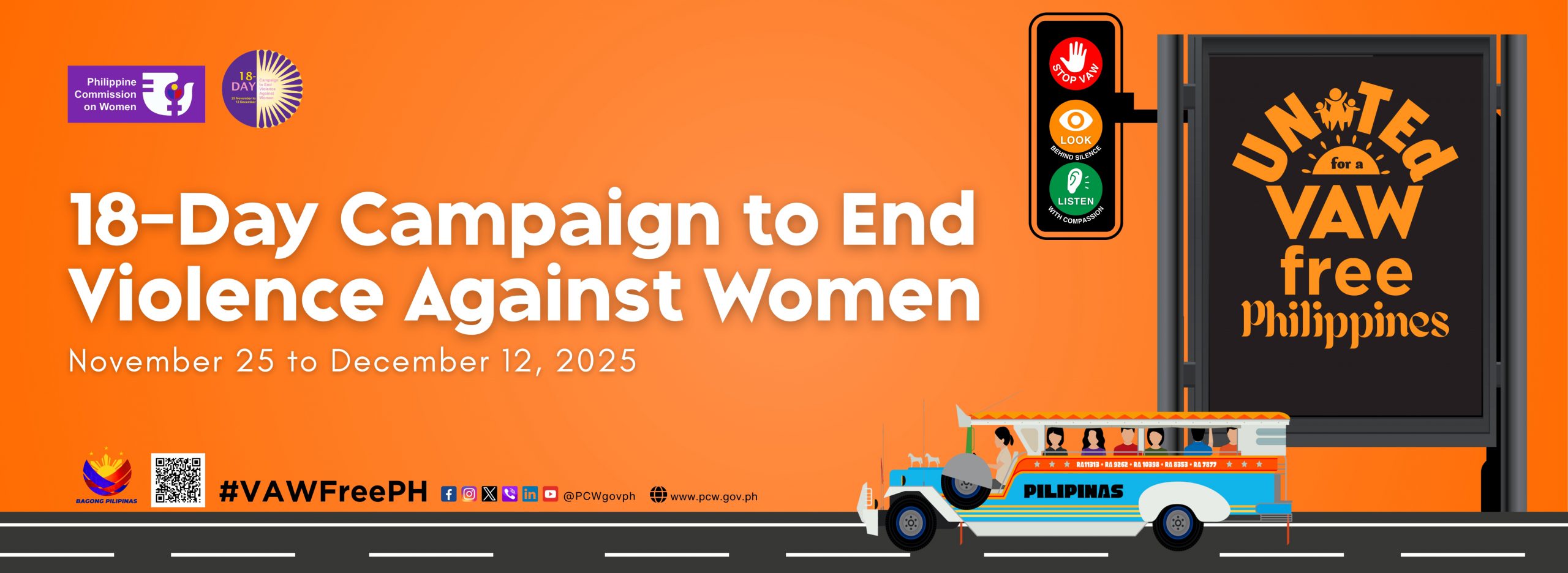
    The 4Rs Framework for Women and Child Protection (Recognition, Response, Referral, and Reporting) provides a comprehensive approach to understanding safeguarding and protection, making it an ideal orientation tool for new employees who will be interacting with students and colleagues and implementing protective programs and services. In response, this 18-Day Campaign to End Violence Against Women, aligned with the WHO 2025 global theme "Healthy Beginnings, Hopeful Futures," will be held from November 25 to December 12, 2025. The campaign seeks to integrate health education and gender advocacy by highlighting the connection between women's rights, maternal well-being, mental health, and violence prevention. 

    Spearheaded by the Gender and Development (GAD) Committee and Women and Children Protection Unit in collaboration with the Medical Social Work Department, this  hospital-based initiative will serve as a platform for patient-centered education, empowerment, and psychosocial support. It also reinforces the hospital's commitment to being safe, inclusive, and responsive institution for women, mothers, and families seeking care. Grounded in the principles of Health Promotion, gender Equality, and Universal Health Care, the campaign underscores that a women and children's health, dignity, and safety are shared community responsibilities - and that every women and children deserves to feel safe, heard, and cared for at every stage of life.

    The Pharmacy Lecture Series and Training & Learning Development Program is a structured capacity-building initiative designed to enhance the knowledge, skills and professional competencies of pharmacy personnel through focused lectures and guided training activities , supporting continuous professional development, improved pharmacy practice standards, and strengthened service delivery in hospital and public health settings 

    This module provides an overview of the organizational structure and personnel management of hospital pharmacy service, emphasizing collaborative relationships within the healthcare team and essential financial management skills for pharmacy leadership to support efficient operations, effective resource utilization, and quality patient care.

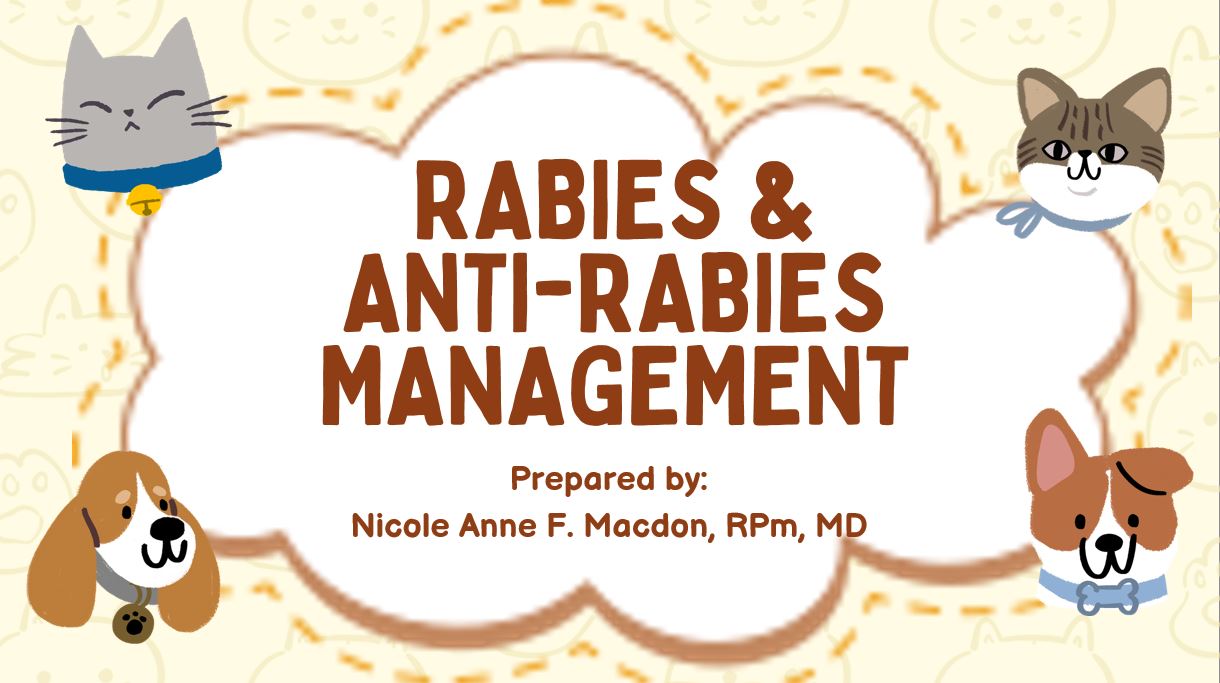
    Rabies is preventable. Immediate action after an animal bite can save lives.

    Rabies remains a serious public health concern, but it is preventable through awareness, responsible pet ownership, vaccination of animals, and prompt medical treatment after animal bites. Early intervention through proper anti-rabies management can save lives. 

    Non-radiology residents play a critical role in requesting, justifying, and coordinating diagnostic imaging procedures for their patients. While they do not operate radiation-emitting equipment their clinical decisions directly influence patient radiation exposure. This learning intervention aims to enhance residents' understanding of radiation risks, appropriate, imaging utilization, and patient protection principles, in line with DOH-FDA CDRRHR regulations and IAEA recommendation. Strengthening radiation awareness among referring clinicians supports patient safety, reduces unnecessary imaging, and promotes a hospital-wide culture of radiation protection.

    The Gender Sensitivity Orientation aims to equip new employees with foundational knowledge necessary to promote inclusivity, equitable service delivery, and respectful professional conduct. It also supports VMC's commitment to quality patient care, where gender-sensitive services are integral to patient safety, confidentiality, dignity, and overall well-being.

    As part of its Gender and Development (GAD) mainstreaming efforts, VMC ensures that all employees—especially newly hired staff—are oriented on gender concepts, gender-fair communication, prevention of sexual harassment, and their roles in upholding a gender-responsive hospital environment.


    This is a learning intervention to increase competency of Clinical and Administrative Secretaries

    Residents in government tertiary hospitals serve as frontline educators of medical students, interns, junior residents, and allied health trainees. Despite this responsibility, most residents receive limited formal training in educational principles and teaching methodologies.

    Implementing a structured Resident-as-Teacher (RaT) Curriculum enhances the quality of clinical instruction and improves learner performance and patient care outcomes. It also strengthens feedback culture, aligns with residency accreditation standards, and supports hospital academic and quality improvement goals.

    This program institutionalizes structured teaching development through a centralized governance model led by the Professional Education Training and Research Unit (PETRU) and implemented at the department level by Department Training Officers (DTOs). This program was adapted from "Residents as Teachers Curriculum: An Evidence-based Guide to Best Practices from the Council of Residency Directors in Emergency Medicine", taken from the "Western Journal of Emergency Medicine: Integrating Emergency Care with Population Health", (26(5), authored by Jordan, Jaime, Gottlieb, Michael, Estes, Molly, et. al., with publication date of September 9, 2025.

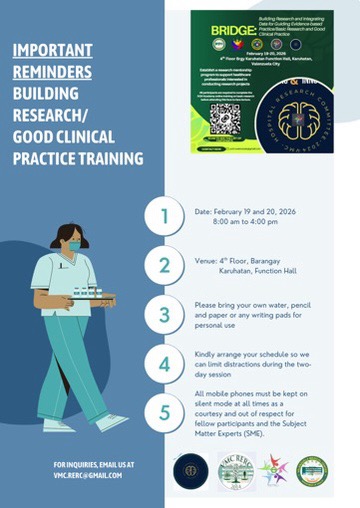
    Establish a research mentorship program to support healthcare professionals interested in conducting research projects.

    The integration of digital platforms such as a Learning Management System (LMS) platform marks a significant step towards digital transformation in public service. As the organization transitions to these systems, it is imperative to equip personnel with the knowledge and skills to utilize these tools efficiently. This orientation serves as a foundational activity to ensure successful adoption, enhance user experience, and support data-driven decisions in the learning and development process.

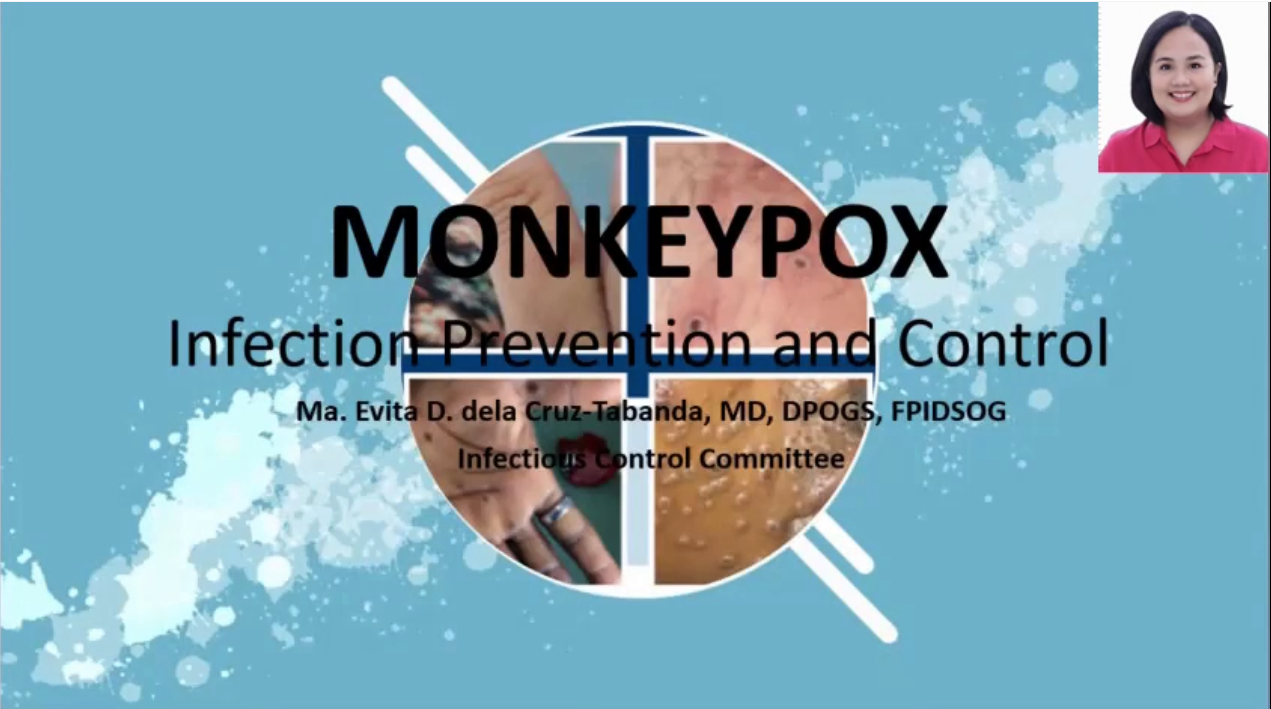
    This course provides an overview of Mpox, a viral zoonotic disease caused by the monkeypox virus. It introduces learners to the history, transmission, symptoms, and global impact of the disease, including recent outbreaks.

    Participants will explore how Mpox spreads through close contact with infected individuals, animals, or contaminated materials. The course also covers key clinical features such as fever, rash, and swollen lymph nodes, helping learners recognize early warning signs.

    A major focus is on prevention and control strategies, including:

    • Practicing proper hand hygiene and sanitation

    • Avoiding close contact with infected individuals or animals

    • Using personal protective equipment (PPE) when necessary

    • Understanding the role of vaccination (e.g., JYNNEOS)

    • Implementing isolation and infection control measures in communities and healthcare settings

    By the end of the course, learners will gain practical knowledge to reduce transmission risks, respond effectively to outbreaks, and support public health efforts in controlling Mpox.


    Immunization is a vital component of disease prevention and a key responsibility of healthcare workers in protecting both patients and communities. This course provides essential knowledge on vaccine-preventable diseases, immunization schedules, safe vaccine administration, and cold chain management. It emphasizes the importance of maintaining high vaccination coverage and addressing vaccine safety and hesitancy. Learners will develop the competence to deliver immunization services effectively, ensure patient safety, and support public health efforts in controlling infectious diseases.

    Bundles of care and standardized surveillance definitions are essential tools in preventing and monitoring healthcare-associated infections such as ventilator-associated pneumonia (VAP) and catheter-associated urinary tract infections (CAUTI). This course provides healthcare workers with foundational knowledge of evidence-based care bundles, including key interventions that reduce infection risks in patients with ventilators and urinary catheters. It also introduces standardized surveillance definitions to support accurate identification, reporting, and monitoring of these infections. Guided by recommendations from the differnt international health aurhorities, learners will develop the competence to implement preventive measures consistently and contribute to effective infection control programs, improving patient outcomes and quality of care.


    Needlestick injuries pose a significant occupational hazard for healthcare workers, carrying the risk of exposure to bloodborne pathogens and serious infections. This course provides essential knowledge and practical skills for the prevention, immediate management, and reporting of needlestick and sharps-related injuries. It emphasizes safe handling and disposal of sharps, adherence to standard precautions, and the importance of timely post-exposure actions. The course equips learners with the competence to reduce injury risks, respond effectively to incidents, and promote a safer healthcare environment for both staff and patients.

    Injection Safety Practices are essential in preventing the transmission of infections and ensuring patient and healthcare worker safety. This course provides healthcare workers with fundamental knowledge and practical skills for the safe preparation and administration of injections. It emphasizes the importance of using sterile equipment, proper handling and disposal of sharps, and adherence to aseptic techniques to minimize the risk of contamination and injury. Guided by standards from the World Health Organization, the course covers key principles of safe injection practices and infection prevention. Learners will develop the competence to perform injections safely and responsibly, promoting high-quality care and reducing preventable risks in healthcare settings.

    Isolation precautions are essential measures in preventing the transmission of infectious diseases within healthcare settings. This course provides healthcare workers with foundational knowledge and practical skills in applying standard and transmission-based precautions, including contact, droplet, and airborne isolation. It emphasizes the importance of early identification of infectious risks, proper use of personal protective equipment (PPE), and adherence to established protocols to protect patients, staff, and visitors. Guided by recommendations from local and international health authorities, learners will develop the competence to implement isolation precautions effectively, ensuring patient safety and reducing the spread of infections in healthcare environments.

    Healthcare Waste Management is a vital component of infection prevention and environmental safety in healthcare settings. This course equips healthcare workers with essential knowledge and practical skills for the proper segregation, handling, storage, and disposal of healthcare waste. It emphasizes the importance of minimizing risks associated with hazardous and infectious materials to protect patients, staff, and the community. Aligned with guidelines from the World Health Organization and Department of Health, the course covers waste classification, color-coding systems, and safe disposal practices. Learners will develop the competence to manage healthcare waste responsibly, ensuring compliance with safety standards and promoting a safer healthcare environment.

    Environmental cleaning is a critical component of infection prevention and control in healthcare settings. This course provides healthcare workers with essential knowledge and practical skills to effectively maintain clean and safe care environments. It highlights the role of proper cleaning and disinfection in reducing the spread of healthcare-associated infections and protecting both patients and staff. Guided by standards from the World Health Organization, the course covers key principles, recommended practices, and the correct use of cleaning agents and equipment. Learners will gain the competence to perform routine and targeted environmental cleaning, supporting patient safety and overall quality of care.

    Hand hygiene is a fundamental practice and core skill for healthcare workers, essential in preventing the spread of infections within healthcare settings. Proper hand hygiene—including handwashing with soap and water or the use of alcohol-based hand rubs—significantly reduces the transmission of harmful microorganisms between patients, healthcare providers, and the environment. It is recognized as one of the most effective and cost-efficient measures to control healthcare-associated infections (HAIs) and improve patient safety.

    Healthcare workers must understand when and how to perform hand hygiene correctly, following established guidelines such as the “Five Moments for Hand Hygiene” by the World Health Organization. Consistent adherence to these practices helps protect both patients and healthcare professionals, reduces morbidity and mortality, and supports overall quality of care. Therefore, hand hygiene is not only a basic skill but also a critical responsibility in all healthcare environments.


    Course categories