This orientation was conducted to align the current Learning Design Form with the instructional design standards of the Professional Regulation Commission (PRC). Specifically, the orientation aimed to synchronize the institution’s existing format with the structure and approach utilized in PRC instructional designs.
Through this initiative, Program Coordinators and Managers are expected to develop the necessary competence in writing instructional designs that comply with PRC requirements. In the long term, this will enable them to efficiently prepare, write, and submit programs for Continuing Professional Development (CPD) unit application without delays.
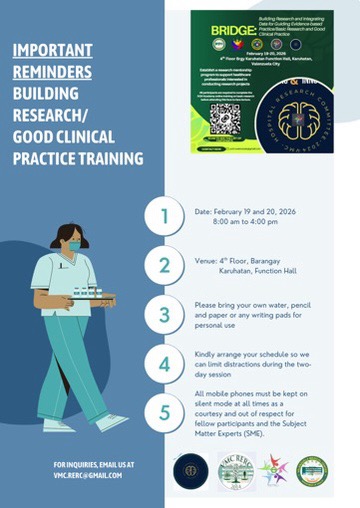
Establish a research mentorship program to support healthcare professionals interested in conducting research projects.
The integration of digital platforms such as a Learning Management System (LMS) platform marks a significant step towards digital transformation in public service. As the organization transitions to these systems, it is imperative to equip personnel with the knowledge and skills to utilize these tools efficiently. This orientation serves as a foundational activity to ensure successful adoption, enhance user experience, and support data-driven decisions in the learning and development process.

- Teacher: MELISSA AUSTRIA
- Teacher: Marissa De Leon
Residents in government tertiary hospitals serve as frontline educators of medical students, interns, junior residents, and allied health trainees. Despite this responsibility, most residents receive limited formal training in educational principles and teaching methodologies.
Implementing a structured Resident-as-Teacher (RaT) Curriculum enhances the quality of clinical instruction and improves learner performance and patient care outcomes. It also strengthens feedback culture, aligns with residency accreditation standards, and supports hospital academic and quality improvement goals.
This program institutionalizes structured teaching development through a centralized governance model led by the Professional Education Training and Research Unit (PETRU) and implemented at the department level by Department Training Officers (DTOs). This program was adapted from "Residents as Teachers Curriculum: An Evidence-based Guide to Best Practices from the Council of Residency Directors in Emergency Medicine", taken from the "Western Journal of Emergency Medicine: Integrating Emergency Care with Population Health", (26(5), authored by Jordan, Jaime, Gottlieb, Michael, Estes, Molly, et. al., with publication date of September 9, 2025.

- Teacher: MELISSA AUSTRIA