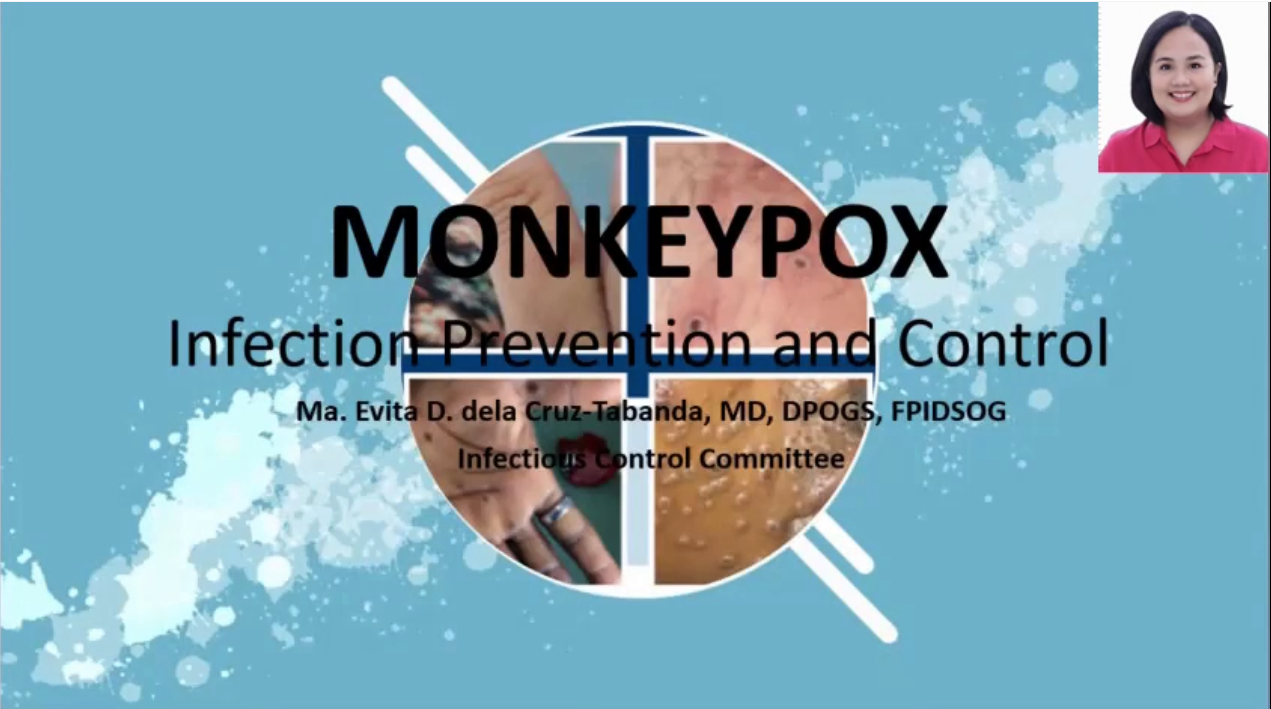
This course provides an overview of Mpox, a viral zoonotic disease caused by the monkeypox virus. It introduces learners to the history, transmission, symptoms, and global impact of the disease, including recent outbreaks.
Participants will explore how Mpox spreads through close contact with infected individuals, animals, or contaminated materials. The course also covers key clinical features such as fever, rash, and swollen lymph nodes, helping learners recognize early warning signs.
A major focus is on prevention and control strategies, including:
-
Practicing proper hand hygiene and sanitation
-
Avoiding close contact with infected individuals or animals
-
Using personal protective equipment (PPE) when necessary
-
Understanding the role of vaccination (e.g., JYNNEOS)
-
Implementing isolation and infection control measures in communities and healthcare settings
By the end of the course, learners will gain practical knowledge to reduce transmission risks, respond effectively to outbreaks, and support public health efforts in controlling Mpox.
Immunization is a vital component of disease prevention and a key responsibility of healthcare workers in protecting both patients and communities. This course provides essential knowledge on vaccine-preventable diseases, immunization schedules, safe vaccine administration, and cold chain management. It emphasizes the importance of maintaining high vaccination coverage and addressing vaccine safety and hesitancy. Learners will develop the competence to deliver immunization services effectively, ensure patient safety, and support public health efforts in controlling infectious diseases.
Bundles of care and standardized surveillance definitions are essential tools in preventing and monitoring healthcare-associated infections such as ventilator-associated pneumonia (VAP) and catheter-associated urinary tract infections (CAUTI). This course provides healthcare workers with foundational knowledge of evidence-based care bundles, including key interventions that reduce infection risks in patients with ventilators and urinary catheters. It also introduces standardized surveillance definitions to support accurate identification, reporting, and monitoring of these infections. Guided by recommendations from the differnt international health aurhorities, learners will develop the competence to implement preventive measures consistently and contribute to effective infection control programs, improving patient outcomes and quality of care.
Needlestick injuries pose a significant occupational hazard for healthcare workers, carrying the risk of exposure to bloodborne pathogens and serious infections. This course provides essential knowledge and practical skills for the prevention, immediate management, and reporting of needlestick and sharps-related injuries. It emphasizes safe handling and disposal of sharps, adherence to standard precautions, and the importance of timely post-exposure actions. The course equips learners with the competence to reduce injury risks, respond effectively to incidents, and promote a safer healthcare environment for both staff and patients.
Injection Safety Practices are essential in preventing the transmission of infections and ensuring patient and healthcare worker safety. This course provides healthcare workers with fundamental knowledge and practical skills for the safe preparation and administration of injections. It emphasizes the importance of using sterile equipment, proper handling and disposal of sharps, and adherence to aseptic techniques to minimize the risk of contamination and injury. Guided by standards from the World Health Organization, the course covers key principles of safe injection practices and infection prevention. Learners will develop the competence to perform injections safely and responsibly, promoting high-quality care and reducing preventable risks in healthcare settings.
Isolation precautions are essential measures in preventing the transmission of infectious diseases within healthcare settings. This course provides healthcare workers with foundational knowledge and practical skills in applying standard and transmission-based precautions, including contact, droplet, and airborne isolation. It emphasizes the importance of early identification of infectious risks, proper use of personal protective equipment (PPE), and adherence to established protocols to protect patients, staff, and visitors. Guided by recommendations from local and international health authorities, learners will develop the competence to implement isolation precautions effectively, ensuring patient safety and reducing the spread of infections in healthcare environments.
Healthcare Waste Management is a vital component of infection prevention and environmental safety in healthcare settings. This course equips healthcare workers with essential knowledge and practical skills for the proper segregation, handling, storage, and disposal of healthcare waste. It emphasizes the importance of minimizing risks associated with hazardous and infectious materials to protect patients, staff, and the community. Aligned with guidelines from the World Health Organization and Department of Health, the course covers waste classification, color-coding systems, and safe disposal practices. Learners will develop the competence to manage healthcare waste responsibly, ensuring compliance with safety standards and promoting a safer healthcare environment.
Environmental cleaning is a critical component of infection prevention and control in healthcare settings. This course provides healthcare workers with essential knowledge and practical skills to effectively maintain clean and safe care environments. It highlights the role of proper cleaning and disinfection in reducing the spread of healthcare-associated infections and protecting both patients and staff. Guided by standards from the World Health Organization, the course covers key principles, recommended practices, and the correct use of cleaning agents and equipment. Learners will gain the competence to perform routine and targeted environmental cleaning, supporting patient safety and overall quality of care.
Hand hygiene is a fundamental practice and core skill for healthcare workers, essential in preventing the spread of infections within healthcare settings. Proper hand hygiene—including handwashing with soap and water or the use of alcohol-based hand rubs—significantly reduces the transmission of harmful microorganisms between patients, healthcare providers, and the environment. It is recognized as one of the most effective and cost-efficient measures to control healthcare-associated infections (HAIs) and improve patient safety.
Healthcare workers must understand when and how to perform hand hygiene correctly, following established guidelines such as the “Five Moments for Hand Hygiene” by the World Health Organization. Consistent adherence to these practices helps protect both patients and healthcare professionals, reduces morbidity and mortality, and supports overall quality of care. Therefore, hand hygiene is not only a basic skill but also a critical responsibility in all healthcare environments.